Professional Carpenter for Personalized Woodwork Services
A skilled carpenter performs an essential role in custom woodwork services. Their proficiency guarantees that projects are executed with accuracy and creativity. From custom cabinetry to unique shelving, these craftspeople convert ideas into functional pieces. Recognizing the qualities that distinguish a skilled carpenter can significantly affect the outcome of a project. Understanding how to successfully work together and budget is just as important. What critical factors should one take into account when starting such a custom endeavor?
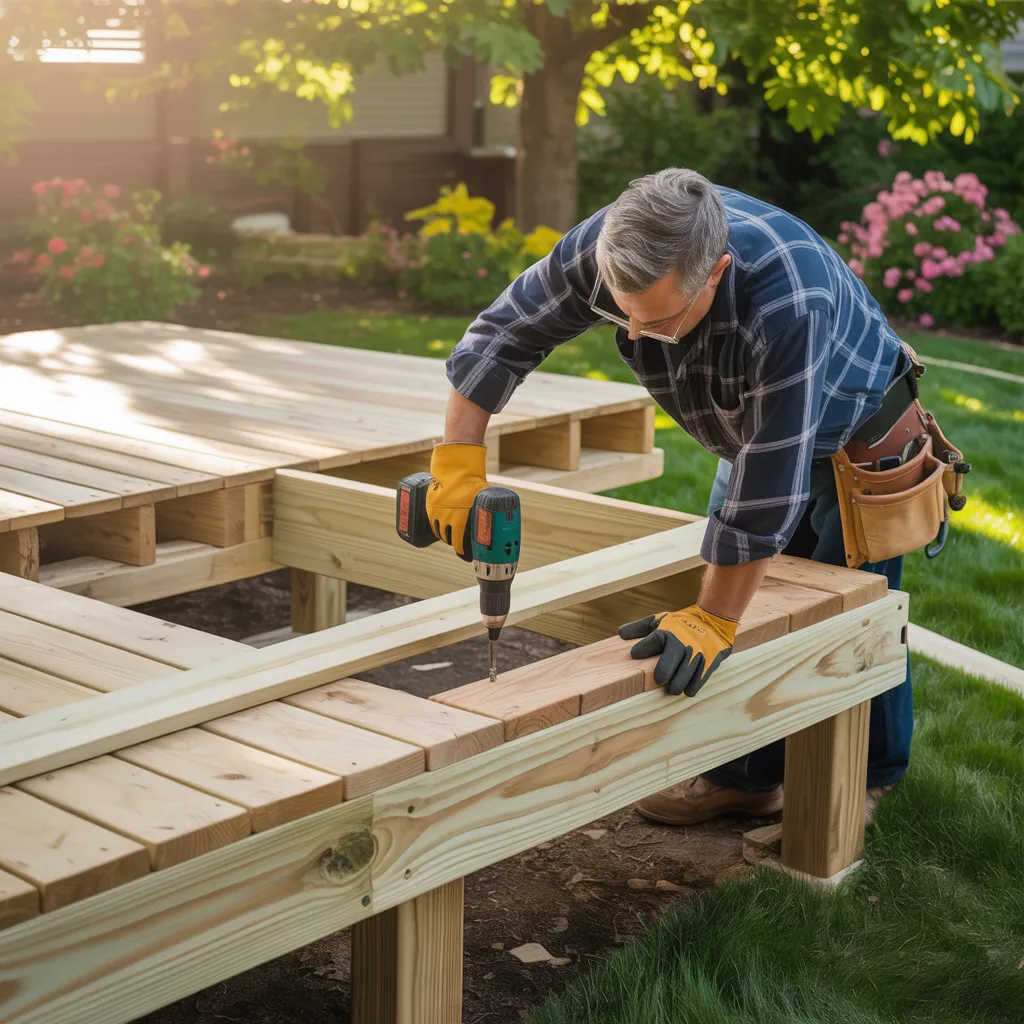
Why Opt for a Seasoned Carpenter for Tailored Woodwork?
Choosing a experienced carpenter for tailored wood projects can greatly improve the quality and look of a project. Mastery in woodworking guarantees that each item is crafted with precision, careful focus, and a thorough understanding of materials. Proficient craftsmen have the necessary tools and techniques to transform ideas into functional art, whether it be cabinets, furniture, or decorative elements. Their experience allows them to foresee challenges and provide effective solutions, resulting in a finished product that aligns with the client's vision. Moreover, a adept carpenter can offer guidance into wood types, finishes, and design styles, enriching the overall outcome. The investment in a qualified craftsman often leads to exceptional quality that lasts, providing both beauty and durability. Ultimately, choosing a skilled carpenter is crucial for achieving top-notch custom woodwork that enhances any space.
Browse Personalized Woodwork Selections to Transform Your Space
Custom woodwork selections offer a broad array of opportunities for enhancing any area, enabling homeowners to adapt their environments with unique designs. From custom-made cabinetry to intricate moldings, custom woodwork can remake ordinary rooms into exceptional ones. Bespoke solutions such as built-in shelves, decorative mantels, and custom furniture can maximize usefulness while contributing aesthetic appeal.
Homeowners can pick from numerous wood types, finishes, and styles to design a unified look that complements their existing decor. The adaptability of wood enables for both contemporary and classic designs, appealing to varied tastes. Additionally, custom woodwork can address particular requirements, such as maximizing storage in small spaces or crafting distinctive centerpieces in expansive rooms.
Important Traits to Evaluate in Your Carpenter
When starting a custom woodwork undertaking, it is essential to identify a carpenter who has key qualities that guarantee both quality craftsmanship and effective communication. First and foremost, experience is important; a experienced carpenter brings useful skills and insights that can improve the project. Careful precision is another key quality, as precision can greatly get details impact the final result. Furthermore, creativity is important, allowing the carpenter to suggest innovative solutions that align with the client's vision.
Reliability also plays an important role; a dependable carpenter adheres to schedules and maintains project timelines, ensuring a smooth workflow. Excellent interpersonal abilities are crucial, as they enable clear discussions about ideas, expectations, and potential challenges. Finally, a good carpenter should show a commitment to client contentment, prioritizing the client's needs and preferences throughout the project. By identifying these qualities, clients can achieve a successful collaboration and exceptional custom woodwork outcomes.
How to Collaborate With Your Carpenter on Design Ideas?
Strong teamwork with a carpenter begins by clearly expressing design visions. This transparent communication facilitates a productive flow of ideas, where both parties can offer inventively. Recognizing the carpenter's expertise can generate original solutions that improve the overall project.
Tell Your View
How can property owners ensure their design concepts are properly conveyed to their woodworker? Clear dialogue is crucial for effective partnership. Homeowners should start by preparing visual aids, such as sketches, photos, or inspiration boards, to demonstrate their ideas. This assists bridge any gaps between vision and implementation. Additionally, reviewing specific dimensions, supplies, and finishes guarantees that expectations match. Regular check-ins during the design process encourage an open dialogue, allowing for adjustments and clarifications as required. Homeowners should also be receptive to input, as skilled craftspeople often have important knowledge from their background. By establishing a teamwork environment, homeowners can guarantee their vision is not only shared but also comprehended and realized successfully by their experienced woodworker.
Welcome Original Suggestions
Partnering with a carpenter creates opportunities for inventive structural approaches that can improve any project. Strong teamwork relies on direct conversation, where clients communicate their objectives and style preferences while remaining open-minded to the carpenter's knowledge. Providing rough drawings, inspiration collections, or design photos can deliver useful direction, enabling the artisan to perceive the intended look and usability.
Furthermore, participating in brainstorming sessions promotes a creative dialogue, where both parties can examine unique ideas and alternatives. The carpenter's experience can lead to practical suggestions that improve the original vision, ensuring the final product is both beautiful and functional. Ultimately, embracing creative input converts a simple project into a personalized masterpiece, showcasing the distinct style and needs of the client.
Strategies for Managing costs on Your Tailored wood crafting Project?
What elements should one consider when planning finances for a custom woodwork project? First, the choice of materials notably impacts costs. Premium wood, hardware, and finishes can increase the project's price. Second, the intricacy of the design should be assessed; intricate patterns or custom features require more time and skill, which can increase labor costs.
Additionally, the size of the project serves as an essential role; bigger pieces inherently demand more resources and labor. One must also account for potential additional expenses, such as licenses or installation fees.
Finally, incorporating a buffer for unexpected costs ensures the project stays within budget. By carefully evaluating these factors, one can develop a realistic budget that reflects both the quality desired and the constraints of available funds. Planning ahead and consulting with a skilled carpenter can further aid in improving the budget, facilitating a successful custom woodwork project.
The Extended Benefits of Custom Wood Skilled Work
Allocating investment in custom woodwork transcends immediate costs, supplying substantial long-term value that can amplify both aesthetics and functionality in a space. High-quality craftsmanship secures stability, often outlasting factory-built options. Custom pieces are tailored to address specific needs, optimizing space and improving organization, which can lead to boosted real estate value.
In addition, the singular appeal of custom woodwork delivers a individualized charm that elevates the ambient experience of a workplace or home. This made-to-order craftsmanship typically attracts interested parties and can allow a residence gain distinction in the market.
Furthermore, bespoke woodwork enables the use of eco-conscious materials, contributing to eco-friendly living. Clients often discover that the investment proves worthwhile through reduced maintenance costs and the timeless appeal of artisan-made items. Fundamentally, custom woodwork is not merely a acquisition; it's a commitment to quality and individuality that can yield significant returns over time.
Frequently Requested Questions
What Kinds of Wood Are Ideal for Custom Projects?
Hardwoods like oak, maple, and cherry are ideal for bespoke creations due to their durability and visual beauty. Softwoods such as pine and cedar are also favored for their workability and affordability in different uses.
How Much Time Will a Personalized Woodwork Undertaking Typically Require?
A custom woodwork project typically takes anywhere from a few days to several weeks, depending on complexity, materials, and craftsmanship required. Timelines can vary considerably according to the particular demands of the work and the woodworker's schedule.
Is it possible to see instances of Your Previous Work?
Samples of past work are accessible through a portfolio displaying multiple projects. Interested parties can browse photographs and descriptions that showcase craftsmanship and design, demonstrating the range and quality of accomplished handcrafted woodwork undertakings.
Do You Provide Warranties on Your Bespoke Woodwork?
Yes, guarantees are offered on bespoke wood projects, ensuring quality and durability. This commitment demonstrates trust in craftsmanship, enabling clients to have peace of mind in their purchase, knowing that any issues will be addressed quickly.
How Do You Deal With Changes During the Project?
During the project, modifications are managed through collaborative communication and openness. The carpenter reviews adjustments alongside the client, ensuring all updates remain faithful to the original vision while accommodating any new requests or requirements with success.